
2025 Market Insight: The New Era of Chinese Cabinetry Exports
The global cabinetry market is undergoing a significant transformation. As we analyze the trade data from 2024 through early 2025, a clear narrative emerges: while traditional markets shift, China’s role as the world’s premier manufacturing hub is evolving from “Mass Production” to “Precision Customization.”
Based on the latest customs data and industry reports, here are the three critical trends defining the Chinese kitchen cabinet export market in 2025.
1. The Great Market Shift in China Kitchen Cabinet Export
For decades, the US and EU were the primary destinations for Chinese furniture. However, 2025 confirms a strategic realignment.
Diversified Destinations:
While the US remains a key market, its share has decreased due to trade policies. In contrast, exports to ASEAN (Southeast Asia) and Australia have surged. In late 2024, exports to Australia alone grew by over $28 million, making it one of the fastest-growing destinations.
The “Belt and Road” Effect:
There is explosive growth in exports to the Middle East (Saudi Arabia, UAE) and Southeast Asia. For B2B buyers, this means Chinese manufacturers are now more experienced than ever in handling diverse global standards—from Australian joinery requirements to Middle Eastern luxury preferences.
2. Sustainability: The “ENF” Standard is the New Normal
In 2025, “Eco-friendly” is no longer an optional upgrade; it is a baseline requirement for international procurement.
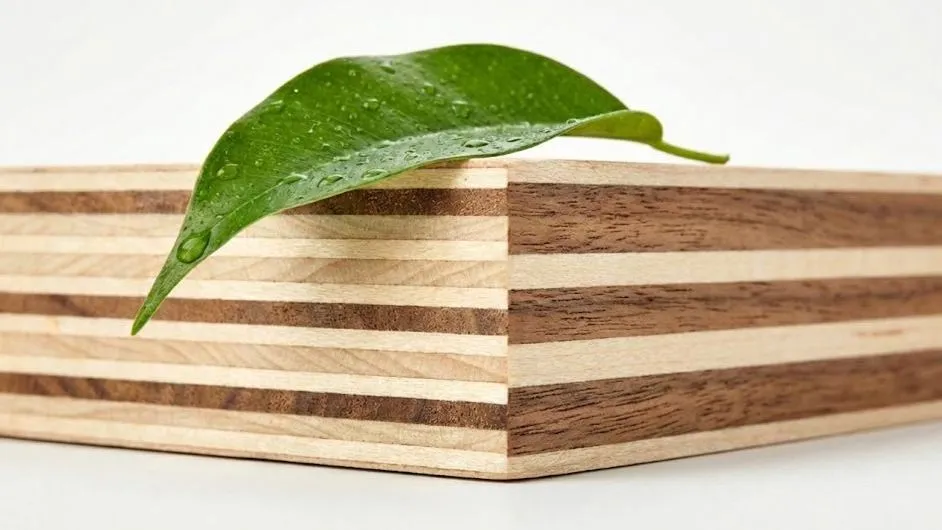
- Material Standards: Driven by stricter regulations in Europe and consumer awareness globally, Chinese manufacturers are rapidly shifting to ENF-grade (formaldehyde-free) boards and sustainable substrates.
- Recyclability: There is a growing preference for materials that support the “Circular Economy.” While wood remains dominant (65% market share), metal cabinetry is emerging as a high-growth category (projected 5.1% CAGR), favored for its durability and 100% recyclability.
3. The “Customization” Advantage: Beating the Flat-Pack
While some low-end, standardized production has moved to Vietnam or Thailand, China retains an unshakeable lead in High-End Customization (C2M).
- Small-Batch Precision: New digital manufacturing technologies allow Chinese factories to handle “Small-Batch Customization” efficiently. This is crucial for developers of apartments and hotels who need unique sizes and finishes, not just standard IKEA-sized boxes.
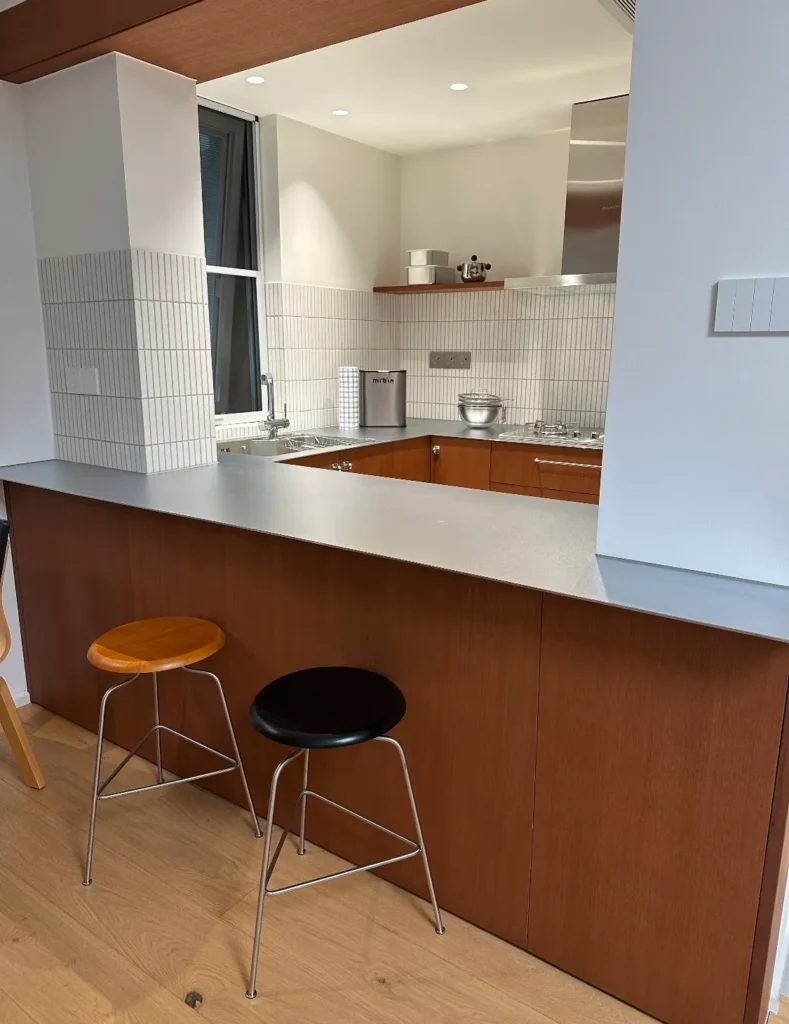
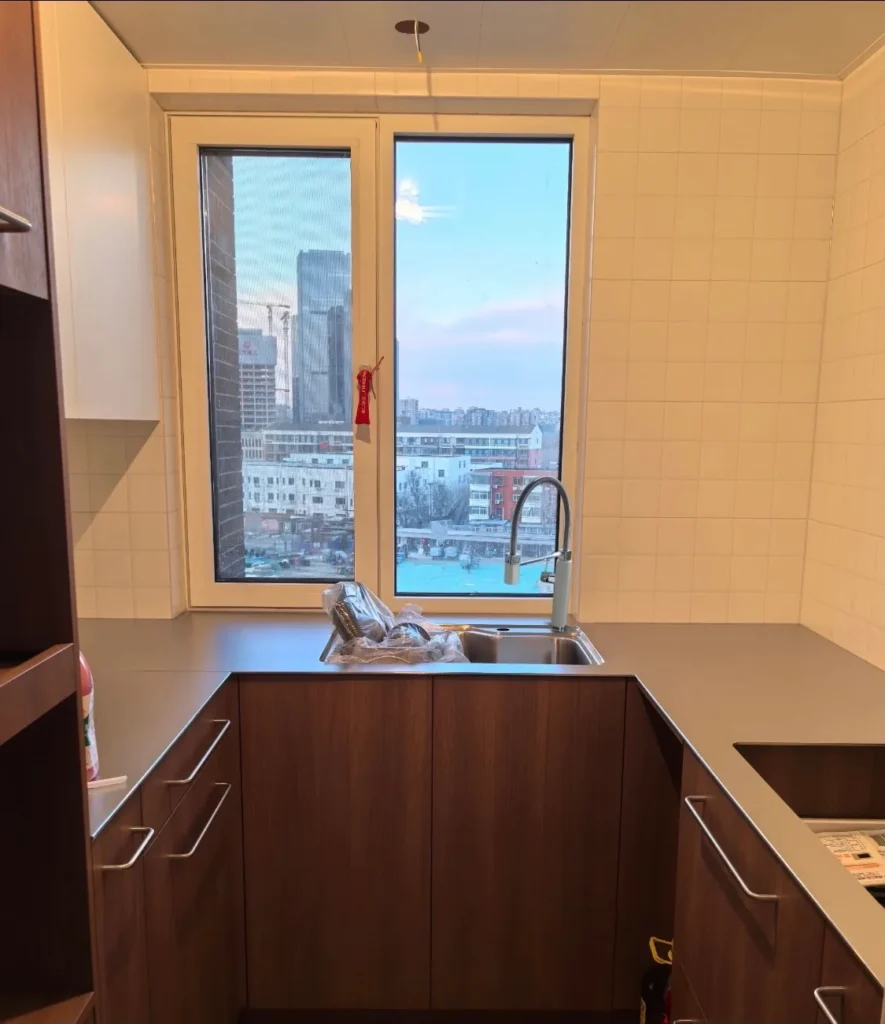
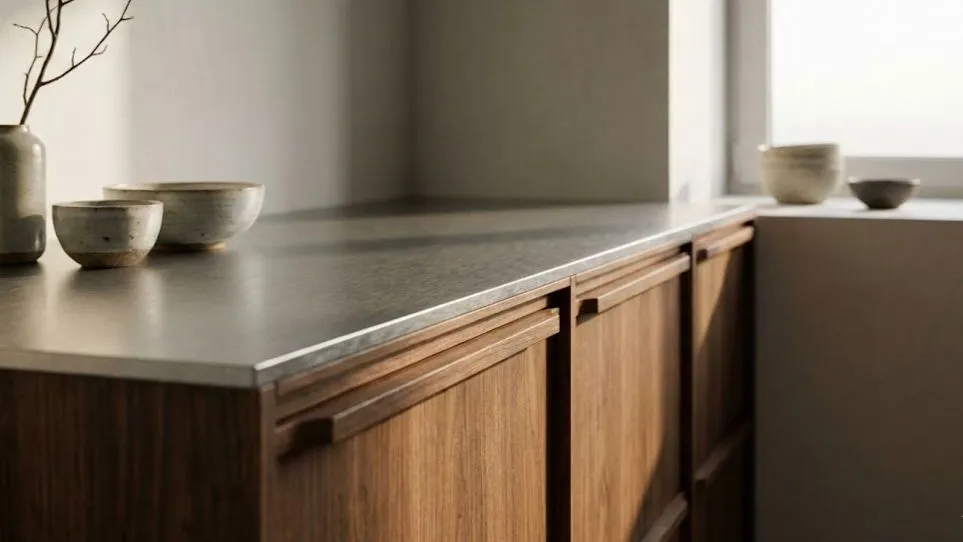
- Frameless & Modern: The design trend for 2025 is “Warm Minimalism”—clean, frameless designs that maximize storage space, often blending wood textures with modern metal accents.
4. Supply Chain Resilience Conclusion: What This Means for Global Buyers
Despite global logistics challenges, China remains the only country with a complete, end-to-end furniture supply chain—from raw hardware to finished surfaces.
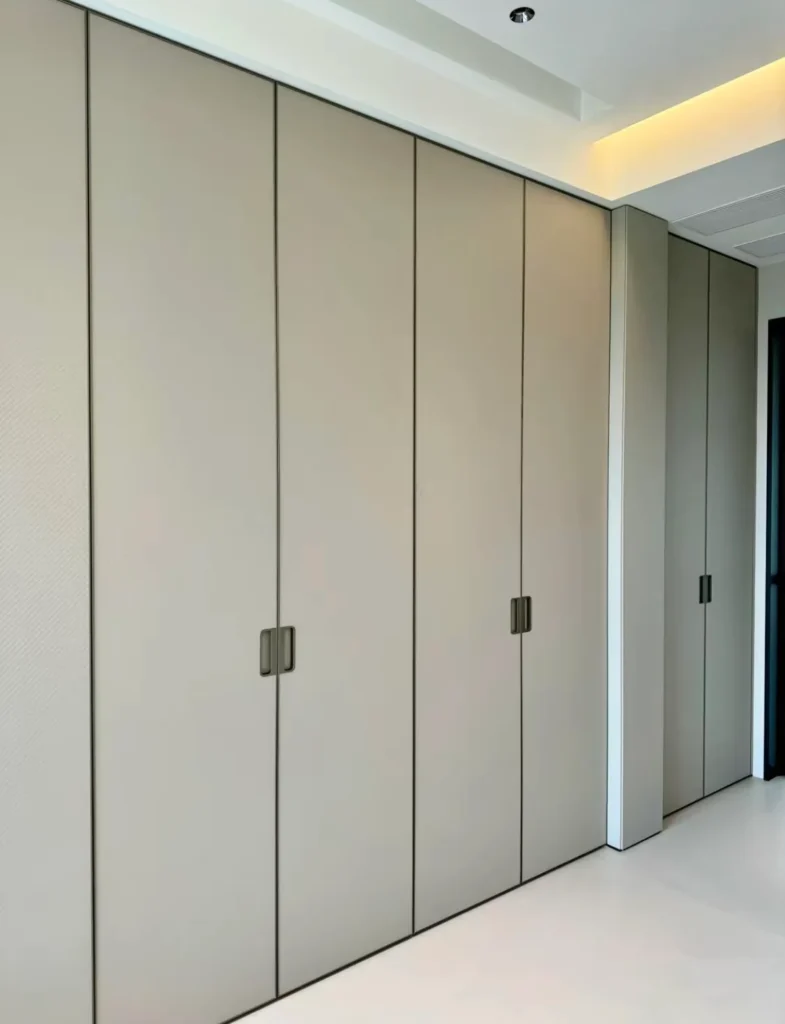
- Reliability: For B2B buyers in 2025, the risk of supply chain fragmentation in emerging manufacturing hubs is high. China’s mature infrastructure offers stability. The trend is moving towards “Whole-House Customization” export, where factories supply not just kitchen cabinets, but integrated wardrobes and vanities in a single container.
Conclusion: What This Means for Global Buyers
Sourcing from China in 2025 is about leveraging complexity. The value proposition has shifted from “lowest labor cost” to “highest engineering capability.” For developers and brands, the opportunity lies in partnering with manufacturers who have mastered eco-friendly materials and flexible customization to meet the sophisticated demands of the modern market.As a high-end custom cabinetry manufacturer in China, we are committed to meeting these new eco-standards
Frequently Asked Questions:
Q: Is it difficult importing kitchen cabinets to Australia from China?
A: With the latest trade agreements in 2025, the process has become streamlined